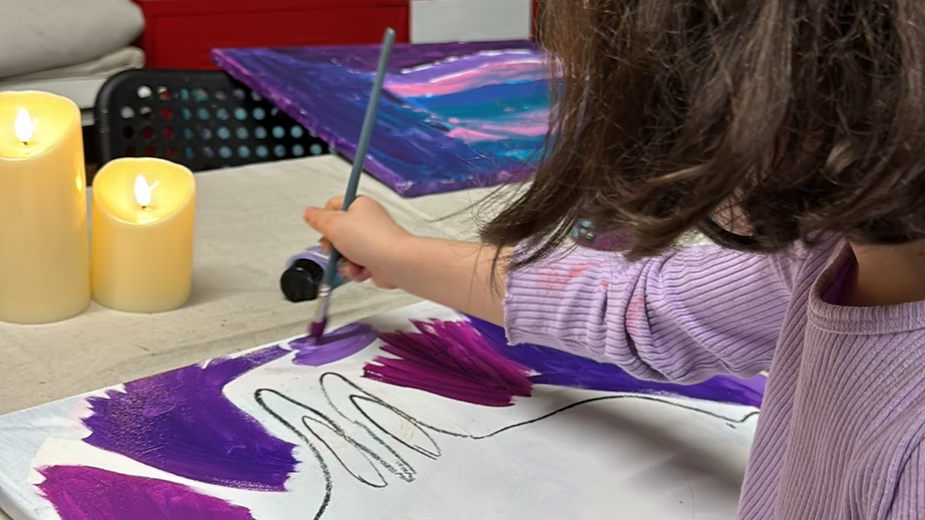
Supporting children with disabilities goes far beyond medical care and education—it also includes creating safe, nurturing spaces where they can explore their emotions, build self-confidence, and discover their unique strengths. One of the most powerful approaches in this journey is Art Therapy, a blend of creative expression and therapeutic support that gives children a voice when words are not enough.
What Is Art Therapy?
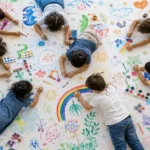
Art Therapy is a therapeutic approach that integrates counselling techniques with creative processes such as painting, drawing, collage, clay work, or mixed media. Unlike traditional talk therapy, which relies heavily on verbal communication, art therapy provides a non-verbal outlet for children who may struggle to express themselves.
For children with disabilities—especially those on the autism spectrum, with learning difficulties, or facing mental health challenges—art therapy offers an alternative way to share their thoughts and feelings.
The Connection Between Mental Health Counselling and Art Therapy
Children with disabilities often face higher levels of anxiety, stress, and low self-esteem. Traditional counselling can help, but when combined with creative methods, therapy becomes more engaging and effective.
Through mental health counselling, therapists guide children in exploring their inner world, understanding their emotions, and developing coping strategies. The art therapy process then provides a hands-on, enjoyable medium to put those insights into practice.
For example:
-
A child dealing with social anxiety may create art that reflects their fears, then use counselling discussions to build confidence in facing real-life situations.
-
A teenager struggling with self-identity may find freedom in expressing themselves through painting, while receiving gentle guidance on self-acceptance during counselling.
This integration of counselling and creativity supports emotional resilience and encourages children to take pride in their progress.
How Art Therapy Builds Confidence in Children with Disabilities
-
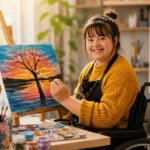
Encourages Self-Expression Many children with disabilities find it difficult to communicate verbally. Art therapy gives them the chance to express feelings in a safe, non-judgmental way, helping them feel heard and understood.
-
Promotes Emotional Regulation Activities like drawing or working with clay can be calming. This helps children manage emotions such as frustration or anxiety, developing healthier coping mechanisms.
-
Strengthens Problem-Solving Skills Creating art involves choices—colors, shapes, techniques. This decision-making process builds confidence, independence, and problem-solving abilities.
-
Boosts Self-Esteem Completing an artwork gives a tangible sense of achievement. Over time, children gain confidence in their abilities and feel proud of their creations.
Enhances Social Connection
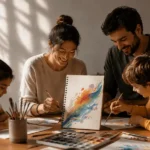
Participating in NDIS art classes in Melbourne or similar group sessions allows children to interact with peers, share experiences, and develop friendships in a supportive environment.
The Role of Creativity in Emotional Growth
Confidence and creativity go hand in hand. When children explore artistic activities, they learn to take risks, embrace mistakes as part of learning, and celebrate their individuality. This creative confidence often extends beyond the art studio—into school, relationships, and everyday challenges.
Children who once hesitated to speak in public or engage with peers often find their voice through art. Creativity becomes a bridge to self-discovery and empowerment.
Why Families Choose an Art Therapy Collective
Families seeking holistic support often look for spaces that combine professional expertise with a nurturing environment. An art therapy collective brings together trained therapists, counsellors, and creative practitioners who share a common goal: empowering children to thrive.
Unlike generic art classes, these sessions are tailored to individual needs, ensuring that every child feels safe, supported, and celebrated for who they are. Parents also find reassurance knowing that therapeutic and artistic growth are being carefully balanced.
Conclusion
For children with disabilities, confidence and creativity are essential stepping stones to a fulfilling life. Art Therapy, combined with mental health counselling, provides a powerful way for children to express themselves, manage emotions, and build resilience. Whether through one-on-one sessions or group-based NDIS art classes in Melbourne, this approach nurtures both emotional wellbeing and creative growth.
At the heart of this journey is the belief that every child deserves to be seen, heard, and empowered. That is the mission of ArtReach Collective—to use creativity and counselling to help young people live their best possible lives.
Frequently Asked Questions
1. Is Art Therapy the same as traditional counselling?
Not exactly. While counselling focuses on talking through issues, art therapy adds creative processes that make it easier for children—especially those with communication challenges—to express themselves.
2. Can children with autism benefit from art therapy?
Yes. Art therapy is highly effective for children on the autism spectrum, providing a safe way to communicate, regulate emotions, and develop social skills.
3. How do NDIS art classes in Melbourne support children with disabilities?
NDIS-funded art classes are tailored to individual needs, blending creative learning with therapeutic benefits. They help children build confidence, develop skills, and feel socially included.
4. Is prior artistic ability required for art therapy?
Not at all. Art therapy focuses on the process, not the outcome. Every child, regardless of skill level, can benefit from the experience.
5. How do I know if my child needs art therapy?
If your child struggles with self-expression, emotional regulation, or confidence, art therapy can provide valuable support. A qualified therapist can guide you in deciding the best approach.