Feeling overwhelmed, anxious, or emotionally stuck lately? You are not alone. Millions of Australians seek support for their mental health every year, but one of the most common questions people ask is this: should I try art therapy or counselling?
Both are real, evidence-based paths toward healing. But they work differently, suit different people, and address different needs. If you have ever sat on the fence trying to decide, this guide will help you understand both options clearly, so you can make the choice that actually fits your life.
What Is Counselling and How Does It Help?
Counselling is a talking-based therapy. You sit with a trained professional, share what is going on in your life, and work through your thoughts, feelings, and behaviours using conversation.
It is often used to support people dealing with grief, relationship issues, depression, anxiety, trauma, and life transitions. A counsellor might use approaches like cognitive behavioural therapy (CBT), acceptance and commitment therapy (ACT), or person-centred therapy to help you identify patterns and build healthier coping strategies.
Counselling works well for people who:
- Feel comfortable talking about their emotions
- Want structured, goal-focused sessions
- Are dealing with a specific life event or challenge
- Prefer verbal processing over other forms of expression
Mental health counselling sessions typically involve active listening, reflective questioning, and evidence-based techniques. The process is largely verbal, rational, and structured.
What Is Art Therapy and Why Are People Turning to It?
Art therapy is a form of psychotherapy that uses creative expression as the main way of communicating. You do not need to be artistic. You do not need to know how to draw. The process of making art, whether through painting, drawing, collage, clay, or mixed media, is itself the therapeutic tool.
A trained art therapist guides the process, helping you explore feelings that may be difficult to put into words. Art therapy is grounded in psychological theory and draws on the mind-body connection, which makes it particularly powerful for trauma, emotional regulation, and self-discovery.
This is not arts and crafts. Art therapy is a clinical mental health practice.
It is especially effective for people who:
- Struggle to express emotions verbally
- Have experienced trauma or significant stress
- Are children or young people who find talking difficult
- Want a more holistic, embodied approach to healing
- Feel that words alone do not fully capture what they are going through
If you have been curious about professional art therapy in Melbourne and what it actually involves, the short answer is: it is a guided, safe space where creative expression becomes a pathway to emotional insight.
The Core Differences: A Clear Comparison
Here is a simple comparison to help you understand how these two approaches differ:
|
Feature |
Art Therapy |
Counselling |
|
Main tool |
Creative expression (art-making) | Verbal conversation |
|
Communication style |
Non-verbal and symbolic |
Verbal and analytical |
|
Best for |
Trauma, emotional blocks, children |
Life challenges, anxiety, depression |
|
Verbal ability required |
Not essential |
Very important |
|
Approach |
Holistic, sensory, embodied |
Cognitive, reflective, structured |
|
Who delivers it |
Registered art therapist |
Registered counsellor or psychologist |
|
NDIS support available |
Yes (in some cases) |
Yes |
|
Suitable for children |
Highly effective |
Depends on age and ability |
| Creative skills needed | None at all |
Not applicable |
Both are valid. Both are effective. The difference is in how you prefer to process and express what is happening inside you.
Real Talk: Who Benefits Most from Art Therapy?
Research published in journals like the Arts in Psychotherapy and Frontiers in Psychology consistently shows that art therapy reduces symptoms of anxiety, depression, and post-traumatic stress. A 2016 study found that just 45 minutes of free art-making significantly lowered cortisol levels (the stress hormone) in 75% of participants, regardless of their artistic experience.
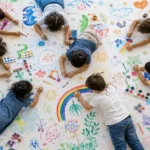
Children are a particularly strong example. Young people often do not have the vocabulary or emotional maturity to articulate complex feelings. But give a child a paintbrush or a handful of clay, and they will show you exactly what is going on inside.
Best Children’s art workshops in Melbourne have become increasingly popular not just for skill-building, but because parents and educators are recognising the emotional benefits. Kids who attend creative sessions often show improved confidence, better emotional regulation, and a stronger sense of self.
Adults also benefit enormously. Whether you are navigating burnout, grief, relationship breakdown, or a diagnosis, art therapy gives you a container to explore those experiences without the pressure of finding the perfect words.
Art Therapy and NDIS: What You Need to Know
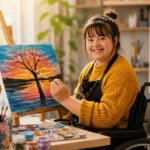
For Australians living with disability, neurodiversity, or a mental health condition, art therapy can be accessed through NDIS funding. NDIS art classes in Melbourne offer a supportive, inclusive environment where participants can engage in creative expression as part of their therapeutic support plan.
These sessions are tailored to individual needs and can support goals related to social participation, emotional wellbeing, communication, and daily living skills. If you or someone you care for is an NDIS participant, it is worth speaking with your support coordinator about whether art therapy sessions could be included in your plan.
The accessibility of these programmes matters. Creative art classes in Melbourne through registered providers are designed to welcome everyone, regardless of background, ability, or experience.
When Counselling Might Be the Better Fit
Counselling is the right choice in many situations. If you have a specific issue you want to work through in a structured way, if you feel ready to talk and reflect verbally, or if you are seeking support for conditions like generalised anxiety disorder, OCD, or specific phobias, counselling offers a clear and clinically supported pathway.
Mental health counselling is also an important option when someone is in crisis, experiencing suicidal ideation, or needs immediate risk assessment and management. In these situations, a qualified counsellor or psychologist is your first port of call.
Can You Do Both?
Absolutely. Many people find that combining art therapy and counselling gives them a more complete support system. Some therapists are trained in both approaches and can integrate them within a single session or programme.
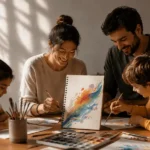
Adult art classes in Melbourne that incorporate therapeutic principles can also complement formal counselling. While not a replacement for clinical therapy, these community-based creative spaces offer ongoing emotional support, social connection, and a sense of belonging.
For adults managing chronic stress, creative expression in a group setting can reduce isolation and build resilience alongside individual counselling.
How to Choose: A Simple Decision Guide
Ask yourself these questions:
Do you find it easier to express yourself through making things rather than talking? Do you have experiences that feel too big or complex to put into words? Are you supporting a child who is struggling emotionally? Are you looking for a more holistic or sensory approach to healing? Do you have NDIS funding and want to use it for creative therapeutic support?
If you answered yes to most of those, art therapy is likely the better starting point.
Do you feel ready to talk through your challenges directly? Are you dealing with a specific life event, relationship issue, or behavioural pattern? Do you prefer structure, goals, and measurable progress? Are you comfortable with verbal reflection and analysis?
If these feel more like you, counseling may be your best first step.
Of course, you can always start with one and add the other. There is no rule that says you can only choose once.
Finding the Right Support in Melbourne
Melbourne has a strong and growing community of mental health practitioners, creative therapists, and inclusive wellness spaces. Whether you are looking for an art therapist in Melbourne for yourself, a creative workshop for your child, or an NDIS-registered provider for therapeutic art sessions, there are options available for every need and budget.
If you are looking for a starting point, Artreach Collective is a Melbourne-based provider that offers art therapy and creative programmes for adults, children, and NDIS participants in a warm, inclusive environment.
Frequently Asked Questions
Q: Is art therapy the same as doing art classes?
A: No. Art therapy is a clinical practice led by a trained therapist. While creative art classes in Melbourne can support wellbeing and social connection, art therapy specifically uses the creative process to address psychological, emotional, and developmental needs.
Q: Do I need to be good at art to try art therapy?
Not at all. Art therapy is not about the quality of the artwork. It is about the process of making it. Your therapist is focused on your emotional experience, not your technical skill.
Q: Can children access art therapy through NDIS?
A: Yes. Children with an NDIS plan may be eligible for art therapy sessions as part of their support for communication, social skills, or emotional regulation goals. Speak with your child’s support coordinator for more information.
Q: How is an art therapist different from a counsellor?
A: An art therapist is trained in both psychotherapy and the use of creative media as a therapeutic tool. A counsellor uses verbal techniques and conversation-based approaches. Both are qualified mental health professionals, but their methods differ significantly.
Q: How many sessions will I need?
A: This depends entirely on your goals and circumstances. Some people benefit from a short block of six to eight sessions. Others engage in longer-term therapy. Your therapist will work with you to create a plan that suits your needs.
Final Thoughts
Choosing between art therapy and counseling is not about picking the better option. It is about picking the right one for you, right now.
If words feel like they are not enough, if you are supporting a child who cannot articulate their pain, or if you want a more creative and embodied path to healing, art therapy offers something genuinely different and deeply effective.
If you are ready to talk, reflect, and work through challenges with structure and language, counselling is a powerful, time-tested approach.
And if you are not sure? That is okay too. Starting the conversation, whether through a brush stroke or a spoken word, is what matters most.