Many NDIS participants and their families face the same struggle. It is hard to find an activity that feels safe, fun, and helpful at the same time. Some people feel shy in group settings. Some feel unsure about trying something new. Some just want a space where they are not judged. This is where art therapy comes in.
Art therapy is not about being a good painter or drawing perfectly. It is about using colour, shape, and creativity to feel calm, build self esteem, and learn new life skills. For NDIS participants, this kind of support can make a real difference in daily life, at home, and in the community.
In this blog, we will look at how art therapy helps NDIS participants grow in confidence, improve motor skills, manage emotions, and connect with others. We will also share practical tips, common questions, and what to expect from a good art therapy program.
What Is Art Therapy and Why Does It Matter for NDIS Participants
Art therapy uses creative activities like painting, drawing, sculpting, and collage to support emotional and mental wellbeing. A trained art therapist guides the session, but the focus stays on the person and their own creative process, not on making a perfect artwork.
For NDIS participants, art therapy can support goals such as:
- Building confidence and self worth
- Improving communication and social skills
- Developing fine motor skills
- Managing anxiety, stress, or sensory overload
- Learning to express feelings in a safe way
Unlike a normal art class, art therapy blends creativity with therapeutic support. This means the sessions are flexible and adjusted to suit each person, whether they are dealing with a disability, mental health condition, or developmental delay.
Many families also enjoy simple creative art classes Melbourne wide, alongside therapy focused sessions, because both formats offer connection and enjoyment in different ways.
Common Challenges NDIS Participants Face Day to Day
Before looking at solutions, it helps to understand the real challenges many NDIS participants deal with regularly:
- Low confidence in social or group settings
- Difficulty expressing emotions with words
- Sensory sensitivity to noise, light, or touch
- Limited opportunities to try new skills in a relaxed environment
- Feeling isolated from community activities
These challenges are common, but they are not permanent. With the right support, such as structured and gentle NDIS art classes Melbourne participants can access, many people experience steady improvements in confidence, emotional wellbeing, and daily life over time.
How Art Therapy Builds Confidence
Confidence grows when someone feels safe to try, fail, and try again without pressure. Art therapy creates exactly that kind of space.
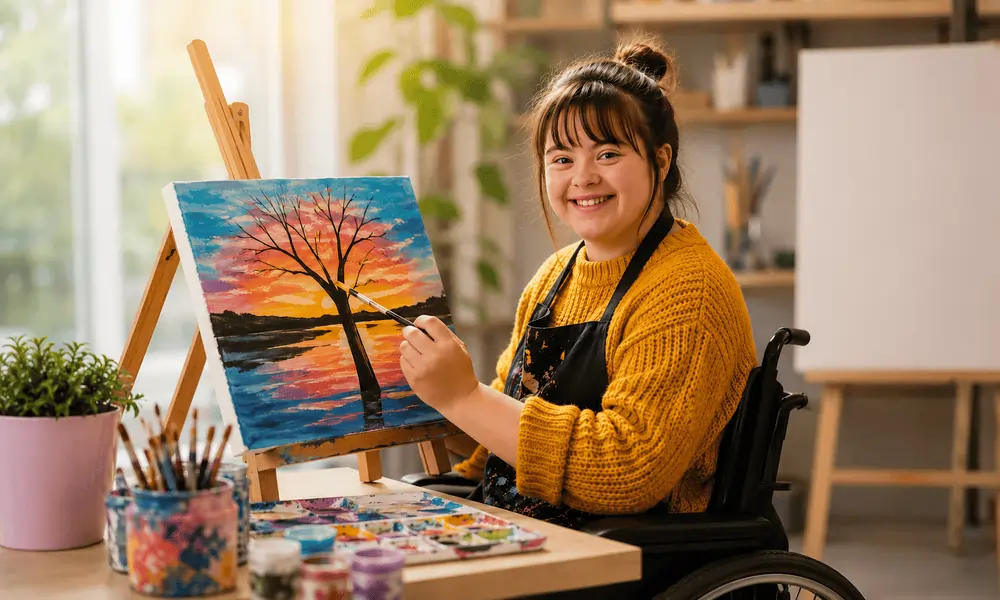
When a participant picks up a paintbrush, there is no wrong answer. Every stroke, colour choice, and shape is valid. This freedom removes the fear of failure that often stops people from trying new things.
Over time, small wins add up. Finishing a painting, mixing a new colour, or simply sitting through a full session builds a sense of achievement. These small moments matter. They slowly build a stronger sense of self worth, which often carries over into other parts of life, like trying new activities at home or speaking up more in group settings.
Many programs also include adult acrylic painting classes, which are especially popular because acrylic paint is forgiving, easy to use, and allows for creative freedom without needing advanced skills.
Life Skills Developed Through Art Therapy
Art therapy is not just about emotional wellbeing. It also helps build real, practical life skills that support independence.
| Skill Area | How Art Therapy Helps |
| Fine motor skills | Holding brushes, cutting paper, and mixing paint improves hand control |
| Communication | Talking about artwork builds confidence in expressing ideas |
| Focus and patience | Completing a project builds attention span and persistence |
| Decision making | Choosing colours, shapes, and themes builds independent thinking |
| Social skills | Group sessions encourage turn taking and teamwork |
| Emotional regulation | Creative expression helps manage stress and big feelings |
These are not small benefits. Fine motor skills support daily tasks like eating, dressing, and writing. Communication skills support relationships and community participation. Emotional regulation supports better mental health overall.
This is one reason why NDIS art classes Melbourne providers are becoming more popular, especially among families looking for holistic support that goes beyond traditional therapy sessions.
The Role of a Safe and Supportive Environment
A big part of why art therapy works so well is the environment it is delivered in. A calm, welcoming, and accessible space allows participants to relax and focus on the activity, rather than feeling anxious or overwhelmed.
Good programs often consider things like:
- Comfortable seating and accessible entry
- Quiet spaces for those with sensory sensitivity
- Small group sizes for more individual attention
- Flexible session lengths based on participant needs
- Friendly staff trained in disability support
Accessibility is not just about ramps and doorways. It is about creating an environment where every participant feels included and respected. Many programs are working hard to tackle accessibility and confidence issues in NDIS art therapy so more participants can benefit from creative support without barriers.
Real Life Impact of Art Therapy
Families often share similar stories after their loved one joins an art therapy program. A participant who once avoided eye contact starts chatting about their painting. Someone who struggles with anxiety in group settings begins looking forward to weekly sessions. A person who found it hard to sit still slowly builds focus and patience through creative tasks.
These changes may seem small from the outside, but for the participant and their family, they are huge milestones. Confidence built in an art room often shows up later in daily life, like ordering food independently, joining a community event, or simply smiling more often.
This is the real value of art therapy. It is not only about art. It is about growth.
What to Look for in a Good Art Therapy Program
If you are considering art therapy for yourself or a family member, here are some practical things to check:
- Are the facilitators trained in art therapy or disability support
- Is the environment accessible and sensory friendly
- Are sessions tailored to individual goals, not one size fits all
- Is there a clear focus on both creativity and wellbeing
- Are group sizes small enough for personal attention
Programs offering art classes for adults Melbourne wide often provide flexible options, including one on one sessions and small group classes, so participants can choose what feels most comfortable.
Getting Started With Art Therapy
Starting something new can feel overwhelming, especially for NDIS participants who may already deal with anxiety around unfamiliar settings. The good news is that most programs are designed to ease participants gently, with no pressure and no expectations.
A simple first step is joining a taster session or a casual class to see how it feels. Many people find that once they try it, the worry disappears quickly because the focus stays on fun and self-expression, not performance.
For those exploring options locally, providers offering adult art classes often include NDIS-friendly formats designed specifically with accessibility and comfort in mind.
If you want to understand more about how creative programs support participants, you can also discover your artistic side with art classes to see real examples of how these classes are structured.
Why Melbourne Families Are Turning to Art Therapy
Melbourne has a strong and growing community focused on inclusive, creative support for NDIS participants. Families are increasingly looking beyond traditional therapy options and exploring creative outlets that combine fun with genuine skill building.
This shift makes sense. People are more likely to stick with an activity they enjoy, and enjoyment plays a huge role in long term progress. Whether someone is looking for structured art therapy classes Melbourne-wide or simply a relaxed creative outlet, the options today are more accessible than ever.
Frequently Asked Questions
Q: What is art therapy for NDIS participants?
A: Art therapy is a creative and therapeutic activity that uses art-making to support emotional wellbeing, confidence, and life skills for NDIS participants.
Q: Do participants need art experience to join?
A: No. Art therapy is not about skill level. It focuses on self-expression and comfort, so anyone can join regardless of experience.
Q: How does art therapy help build confidence?
A: It creates a safe, judgment-free space where participants can try new things, make choices, and celebrate small achievements, which naturally builds self-esteem over time.
Q: Can art therapy improve skills?
A: Yes. Activities like painting, cutting, and mixing colours help strengthen fine control and hand-eye coordination.
Q: Is art therapy covered under NDIS funding?
A: Many art therapy and creative support programs can be funded under NDIS, depending on individual plans and goals. It is best to check with your plan manager or support coordinator for specific eligibility.
Q: How often should someone attend art therapy sessions?
A: This depends on individual goals, but weekly or fortnightly sessions are common for steady progress and consistency.
Final Thoughts
Art therapy offers far more than a creative outlet. For NDIS participants, it can be a powerful tool for building confidence, developing important life skills, and creating a sense of achievement that carries into everyday life. With the right support, a safe environment, and a program that values individual progress, participants can grow at their own pace while enjoying the process.
Art studios such as Artreach Collective focus on creating welcoming spaces where participants feel supported, respected, and free to express themselves through art. If you are exploring creative and therapeutic options for yourself or a loved one, taking that first step into an art class or therapy session could open the door to real, lasting growth.