Art has always been a language that goes beyond words. When we feel overwhelmed, anxious, or simply disconnected from ourselves, picking up a paintbrush or moulding a piece of clay can do something that talking sometimes cannot. Art therapy is not just about making something beautiful. It is about healing, self-discovery, and finding a sense of calm in a world that rarely slows down.
Whether you are a parent wondering how to help your child process big emotions or an adult quietly carrying stress that has built up over months or even years, art therapy offers a safe and creative space to breathe, feel, and grow.
What Is Art Therapy and Why Does It Matter
Art therapy is a form of expressive therapy that uses the creative process of making art to support mental, emotional, and psychological well-being. It is practised by trained art therapists who guide individuals through visual art activities like drawing, painting, sculpting, collage, and mixed media, with a focus on emotional expression rather than artistic skill.
According to the Art Therapy Association, art therapy is used to improve cognitive and sensorimotor functions, foster self-esteem, develop emotional resilience, and help people manage behaviours and life challenges. In Australia, art therapy is increasingly being recognised as a valuable complementary approach within mental health care frameworks.
One real example that speaks to its power comes from research published in the journal Frontiers in Psychology, which found that even brief creative engagement, as short as 45 minutes, significantly reduced cortisol levels, the hormone most associated with stress. Participants across all age groups reported feeling calmer and more centred after creative activity, regardless of their prior artistic experience.
This matters because so many people feel they cannot access traditional talk therapy, either because of cost, time, or simply not knowing how to put their feelings into words. Art therapy meets people where they are.
The Emotional and Psychological Benefits of Art Therapy
The benefits of art therapy are wide-ranging and deeply personal. For adults, regular creative expression classes have been linked to reduced symptoms of anxiety and depression, improved focus and mindfulness, and stronger emotional regulation. For children, guided art activities support healthy brain development, help process trauma, and build confidence and communication skills.
Some of the most widely documented benefits include:
Stress relief and relaxation through meditative, repetitive art-making processes such as Zentangle or watercolour washes. Improved self-awareness as people discover how their inner emotional world shows up in the colours, shapes, and imagery they naturally gravitate toward. Trauma processing, particularly for individuals who find it difficult to verbalise painful experiences. Social connection, when practised in a group setting, which combats isolation and fosters community belonging. Increased self-esteem as people complete creative projects and develop a sense of personal achievement.
For children specifically, art therapy plays a powerful role in sensory integration, fine motor development, and learning how to name and manage emotions in age-appropriate ways. Children who participate in regular expressive arts activities often show improved behaviour, better social skills at school, and greater emotional literacy over time.
Art Therapy for Kids: Building Emotional Intelligence Through Creativity
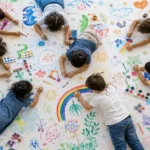
Children experience the world intensely. They feel joy, fear, frustration, and loneliness in ways that can sometimes overwhelm them before they have the vocabulary to explain what is happening inside. This is where child art therapy classes become incredibly valuable.
In a structured but playful art therapy class, children are not asked to draw perfectly or colour inside the lines. They are invited to express freely. A child who is struggling with anxiety might work through their worries by painting them out, giving their fears a shape and a colour and then transforming them into something new. A child navigating family changes or social difficulties might use storytelling through art to process experiences at their own pace.
Research from the National Institute for Trauma and Loss in Children has shown that expressive arts interventions help children develop coping skills, reduce behavioural difficulties, and improve their capacity to relate to others empathetically. These are life skills that go far beyond the art room.
Art Therapy for Adults: Healing the Mind and Rediscovering Yourself
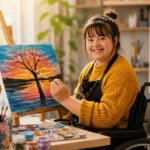
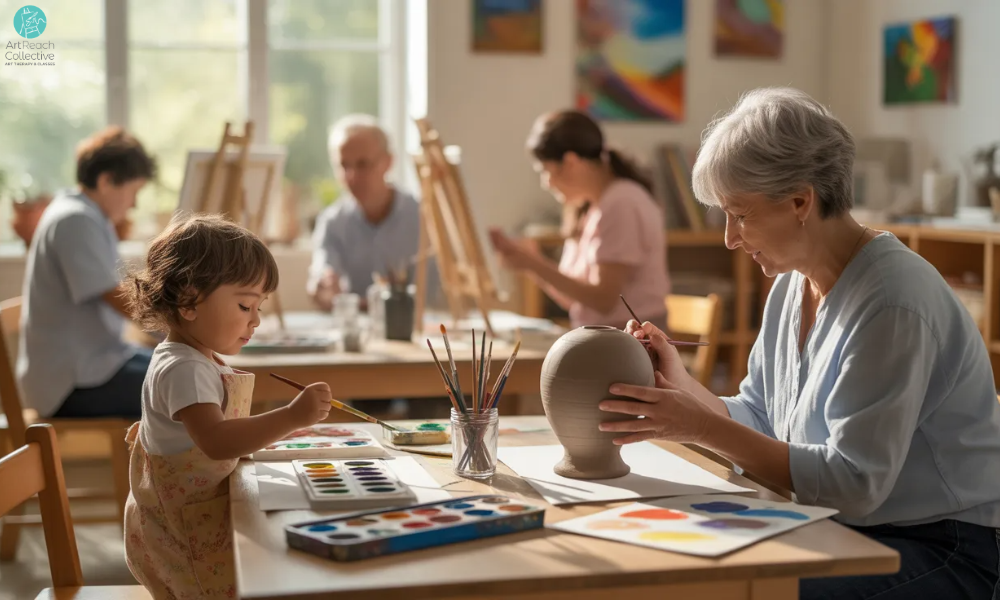
Adults often arrive at art therapy classes feeling disconnected, burnt out, or carrying a quiet weight they cannot quite name. Life responsibilities, workplace stress, grief, and the relentless pace of modern living can erode our inner sense of self. Adult art therapy classes create a rare permission to slow down to sit with colour, texture, and form without a to-do list or a deadline. Many adults who have never considered themselves creative discover through guided therapeutic art sessions that the act of making something by hand is profoundly restorative.
Art therapy for adults creates a rare permission to slow down. To sit with colour and texture and form without a to-do list or a deadline. Many adults who have never considered themselves creative discover through guided therapeutic art sessions that the act of making something by hand is profoundly restorative.
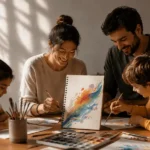
Group art therapy classes in particular offer something unique. When adults come together in a non-judgmental space to create, share, and reflect, bonds form quickly. There is something deeply humanising about sitting alongside others who are also showing up vulnerably, brush in hand.
Whether someone is managing grief, working through a life transition, navigating relationship stress, or simply wanting to reconnect with themselves after years of putting others first, adult art therapy classes offer a structured yet flexible pathway to emotional wellness.
What to Expect in a Therapeutic Art Class
Many people hesitate to try art therapy because they believe they are not creative or artistic enough. This is one of the most common misconceptions, and it is worth addressing directly. Art therapy is not an art class in the traditional sense. You do not need to produce anything that looks good or makes sense to anyone else. The process is the point.
In a typical session, a trained facilitator will guide participants through a warm-up, introduce a theme or prompt connected to emotional exploration, and create space for reflection afterwards. Materials might include watercolours, acrylics, pastels, clay, fabric, or found objects. The sensory experience of working with different materials is itself therapeutic, engaging the nervous system and grounding the body in the present moment.
Sessions are often held weekly and can range from individual one-on-one settings to small groups of four to twelve participants. Programs designed for children are typically shorter in duration with more structured guidance, while adult sessions may allow for more open exploration and discussion.
Frequently Asked Questions About Art Therapy
Q: Do I need to be artistic to benefit from art therapy?
A: No. Art therapy is entirely focused on the emotional and psychological process of creating, not on the quality of the final product. Anyone can participate regardless of skill level or prior experience.
Q: Is art therapy suitable for children with additional needs?
A: Yes. Art therapy is widely used to support children with autism spectrum disorder, ADHD, learning difficulties, anxiety, and sensory processing challenges. A skilled therapist will tailor activities to meet each child’s individual needs.
Q: How is art therapy different from an arts and crafts class?
A: Arts and crafts classes focus on skill development and producing a finished piece. Art therapy uses the creative process as a tool for emotional exploration and healing, guided by a trained mental health professional.
Q: How many sessions are needed to see results?
A: This varies depending on the individual and their goals. Some people notice a sense of relief and relaxation after just one session. Deeper therapeutic outcomes typically develop over a consistent period of four to twelve weeks.
Q: Can art therapy help with grief and loss?
A: Yes. Art therapy is frequently used in grief support settings because it provides a non-verbal outlet for emotions that can be difficult to articulate. It allows individuals to honour their experiences and move through pain at their own pace.
Choosing the Right Art Therapy Program
When looking for art therapy classes for yourself or your child, it is worth considering a few important factors. Look for programs led by qualified practitioners with relevant training in therapeutic arts facilitation or registered art therapy credentials. Consider whether the class environment feels safe, welcoming, and non-judgmental. Think about group size, session frequency, and whether the program offers specific support for the concerns you or your child is navigating.
In Melbourne, Australia, there is a growing and thoughtful community of practitioners and studios offering meaningful therapeutic arts experiences for both adults and young people. From inner city studios to community-based programs in eastern and northern suburbs, Melbourne’s art therapy landscape reflects the city’s broader commitment to creative wellbeing.
Taking the First Step Toward Healing Through Art
The decision to try something new, especially something that asks you to be vulnerable, takes courage. But many people who have walked into an art therapy class for the first time describe it as one of the most quietly powerful decisions they have made for their mental health.
You do not have to have everything figured out. You do not need a specific problem or diagnosis. You simply need a willingness to show up, to create, and to let the process do what it does so naturally. Art has a way of reaching the parts of us that words miss.
If you are based in Melbourne and are curious about what a supportive, professionally guided creative wellness experience looks like for yourself or your child, Artreach Collective offers inclusive art therapy sessions and expressive arts classes designed to nurture the mind and soul across all ages.
Sometimes the most healing thing you can do is simply start making something.