Introduction: When Words Are Not Enough
Have you ever felt so overwhelmed that you simply could not find the right words to explain what you were going through? You are not alone. Millions of people around the world carry emotional weight that talking alone cannot seem to lift. That is exactly where art therapy steps in.
Art therapy is not about being a great painter or a talented artist. It is about using the creative process as a tool for healing, self-discovery, and emotional release. Whether you are dealing with anxiety, trauma, grief, depression, or simply the daily stress of modern life, art therapy classes offer something that traditional talk therapy sometimes cannot reach: a way to express what lives beneath the surface.
In recent years, interest in creative therapies and expressive arts healing has grown significantly. More Australians are searching for alternative mental health support, and art therapy is emerging as one of the most effective and accessible options available. But is it really helpful? Let us explore the real benefits, honest pros and cons, and what people actually experience when they try it.
What Is Art Therapy, Exactly?
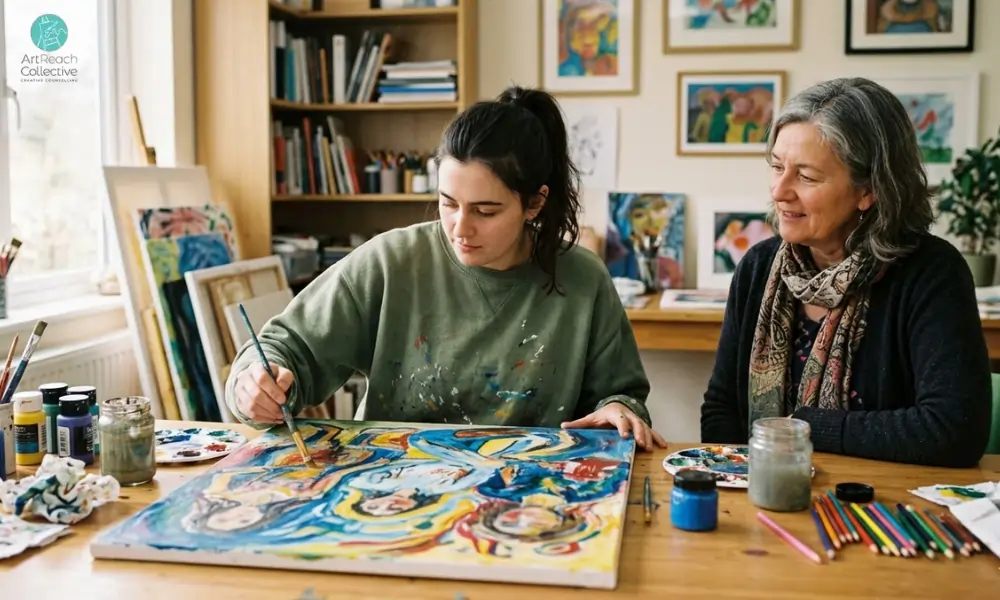
Art therapy is a form of psychotherapy that uses creative methods such as drawing, painting, sculpting, collage, and other visual arts to support mental, emotional, and psychological well-being. A trained art therapist guides the process, helping clients explore their feelings and experiences through what they create.
It is different from an art class. The goal is not to produce beautiful artwork. The goal is to process emotions, build self-awareness, and develop healthier coping strategies. The finished piece is secondary. The experience of creating it is what matters.
Art therapy is used in hospitals, schools, rehabilitation centres, community health services, and private practice settings. It supports people of all ages, from young children to elderly adults.
The Science Behind Art Therapy
Research into expressive arts therapy has grown substantially over the past two decades. Studies published in journals such as the Arts in Psychotherapy journal have consistently shown that art therapy reduces symptoms of anxiety and depression, lowers cortisol levels (the body’s primary stress hormone), and improves emotional regulation.
One notable study found that just 45 minutes of creative activity significantly reduced stress in participants, regardless of their artistic skill level. The act of creating something with your hands activates the brain’s reward pathway and promotes a state of focused calm, sometimes called a flow state. This is similar to what happens during mindfulness meditation.
Brain imaging research also suggests that making art engages both hemispheres of the brain simultaneously, helping people access and process memories or emotions that are stored non-verbally. This is particularly significant for people who have experienced trauma, where the emotional memory is often held in the body rather than in language.
Real Benefits of Art Therapy Classes
Emotional expression and release. For many people, especially those who struggle to verbalise their feelings, art becomes a safe container for emotions. Creating an image of your fear, sadness, or confusion gives it form, and once something has form, it becomes easier to work with.
Stress and anxiety reduction. The repetitive, focused nature of activities like drawing patterns, colouring, or moulding clay has a genuinely calming effect on the nervous system. Many people describe leaving an art therapy session feeling lighter, even if they cannot fully explain why.
Improved self-esteem and confidence. Completing a creative piece, no matter how simple, brings a sense of accomplishment. Over time, this builds confidence and a stronger sense of personal identity.
Processing trauma and grief, art therapy is widely used in trauma-informed care. It allows people to approach painful experiences at their own pace, without having to relive them through direct verbal retelling. Many survivors of abuse, loss, or disaster have found art therapy to be a pivotal part of their healing journey.
Better communication skills. Children who struggle to express themselves verbally often make significant breakthroughs in art therapy. The same applies to adults who find emotional conversations difficult or overwhelming.
Social connection in group settings. Group art therapy classes provide a sense of community and belonging. Sharing the creative process with others who are also healing can reduce feelings of isolation and build meaningful connections.
What People Actually Experience in Art Therapy
Sarah, a 34-year-old teacher from Melbourne, after a difficult divorce started art therapy sessions with Michal Mainzer, who is a famous art therapist in Melbourne at Artreach Collective. She had tried traditional counselling but found it hard to open up verbally. In her first few sessions, she mostly painted abstract shapes and colours. Her therapist never pushed her to explain what she made. Over time, she began to notice patterns in her work, recurring images that pointed to feelings she had buried for years. After six months, she described the experience as transformative.
A parent in Brisbane started bringing their nine-year-old son to art therapy after he developed anxiety following a house move and school change. Within three sessions, the boy had drawn a detailed picture of what was frightening him. His therapist used that image as the starting point for gentle, productive conversations. His parents noticed a visible shift in his mood within weeks.
These kinds of experiences are common. Art therapy works because it meets people where they are, not where someone else thinks they should be.
Pros and Cons of Art Therapy Classes
The Pros
It is accessible to people of all ages and backgrounds. No artistic skill is required. It provides a non-verbal outlet for complex emotions. It is evidence-based and used in professional healthcare settings. It can complement other treatments like medication or cognitive behavioural therapy. Many people find it enjoyable, which supports consistency and engagement.
The Cons
It may not suit everyone. Some people feel uncomfortable with creative activities or feel self-conscious about their artistic ability, even when reassured that skill does not matter. Sessions with a qualified art therapist can be costly, though Medicare rebates may apply in some circumstances. It takes time. Art therapy is not a quick fix. Meaningful change typically requires ongoing sessions over weeks or months. It is also worth noting that art therapy is not a replacement for medical treatment when someone has a serious mental health condition. It works best as part of a broader support plan.
Who Can Benefit Most from Art Therapy?
Art therapy has shown strong results for people experiencing anxiety disorders, depression, post-traumatic stress disorder, grief and loss, chronic illness, autism spectrum disorder, dementia, age-related cognitive decline, eating disorders, addiction recovery, and childhood emotional difficulties.
It is also increasingly popular among people who are not experiencing a clinical condition but want a mindful, creative practice to support their general emotional wellbeing.
What to Look for in an Art Therapy Class or Therapist
In Australia, qualified art therapists are typically members of the Australian, New Zealand and Asian Creative Arts Therapies Association (ANZACATA). When choosing a practitioner or class, look for someone with formal training in both art and therapeutic practice. Ask about their approach, what a typical session looks like, and whether they have experience with your specific concerns.
Group classes in community settings tend to be more affordable and offer social benefits, while individual sessions provide a more private, tailored experience.
Frequently Asked Questions
Q: Do I need to be good at art to try art therapy?
A: Not at all. Art therapy is not about producing professional work. It is about the process of creating, not the result. Anyone can participate regardless of skill level.
Q: How many sessions does art therapy take to work?
A: This varies from person to person. Some people notice shifts after just a few sessions, while others benefit from longer-term engagement. A qualified therapist will discuss this with you during an initial consultation.
Q: Is art therapy covered by Medicare in Australia?
A: In some cases, yes. If art therapy is part of a mental health treatment plan recommended by a GP, there may be rebates available. It is worth speaking with your doctor or therapist about this.
Q: Is art therapy suitable for children?
A: Yes. Art therapy is particularly effective for children who struggle to express themselves verbally. It is used in schools, hospitals, and private practice across Australia.
Q: What types of art are used in art therapy?
A: Drawing, painting, collage, sculpture, clay work, and mixed media are all common. The medium is chosen based on the individual’s needs and preferences.
Final Thoughts
Art therapy is not a trend or a passing wellness fad. It is a clinically recognised, research-supported approach to healing that helps people of all ages access and process emotions in a way that feels safe, creative, and deeply personal. The benefits are real, the experiences are meaningful, and for many people, it has made a genuine difference when other approaches have fallen short.
If you are in Australia and curious about exploring art therapy sessions, Therapies For Kids offers supportive, professionally guided art therapy services across locations, including Sydney, Melbourne, Brisbane, Perth, and Adelaide you can choose Artreach Collective for that. Whether you are seeking support for yourself or a child in your life, reaching out to learn more could be a gentle but powerful first step toward feeling better.