Art has always been a powerful tool for expression, creativity, and personal growth. However, many educational institutions struggle to understand why art group sessions matter so much in today’s learning environment. Teachers face pressure to focus on academic subjects, whilst students may not recognise the value of collaborative creative activities. Institutions often wonder whether investing in art programmes delivers measurable benefits or simply takes time away from traditional curriculum priorities.
The reality is that art group sessions offer transformative advantages that extend far beyond creating beautiful artworks. When students, teachers, and institutions engage in collaborative art activities, they unlock significant benefits for mental wellbeing, academic performance, social development, and organisational culture. This article explores the concrete advantages of art group sessions and why they matter for everyone involved in education.
Understanding the Fundamental Benefits of Art Group Sessions
What Are Art Group Sessions?
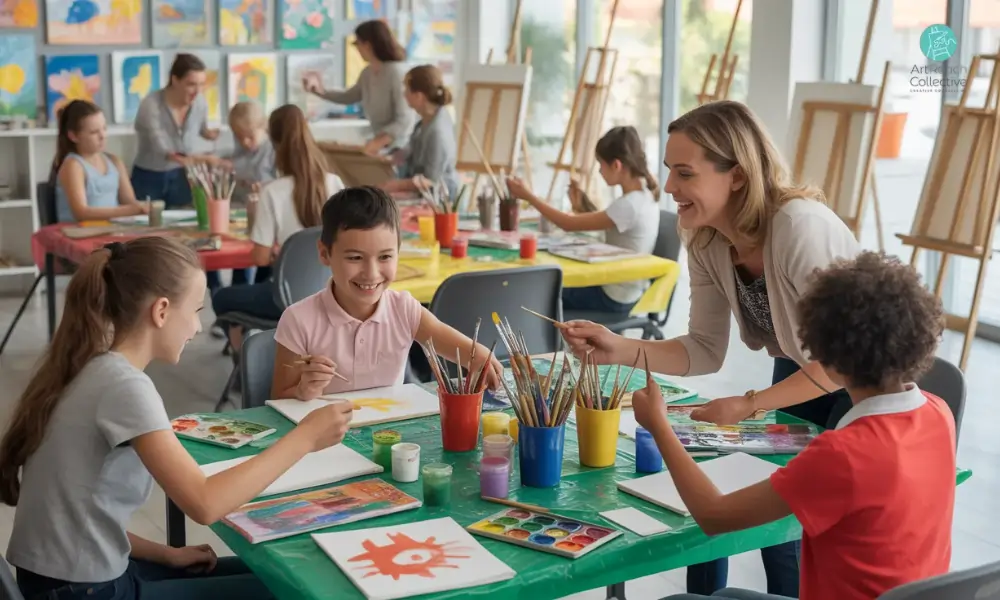
Art group sessions are structured creative activities where participants engage in artistic expression together. These sessions might include painting, drawing, sculpture, mixed media, digital art, or other creative disciplines. The key element is collaboration and shared artistic exploration rather than individual studio work. Whether facilitated in schools, community centres, or specialised creative spaces like those offered in Melbourne, Australia, art group sessions create environments where creativity flourishes through collective energy and mutual support.
The core concept involves bringing people together with shared creative intent. Unlike traditional art classes focused on teaching technique, art group sessions prioritise the experience of creating alongside others. Participants feel less pressure to produce “perfect” artwork and more freedom to explore their creative potential through experimentation and playfulness.
How Art Group Sessions Transform the Learning Environment
The introduction of art group sessions fundamentally changes how educational spaces function. These sessions create safe, non-judgmental environments where participation matters more than perfection. Students who might struggle in traditional academic settings often discover confidence and capability through creative expression. The collaborative nature of group sessions means individuals support each other, ask questions freely, and celebrate shared achievements.
This environmental shift has measurable impacts on attendance, engagement, and overall student wellbeing. Teachers observe that students who participate in art group sessions demonstrate improved focus during other lessons, better classroom behaviour, and increased willingness to participate in discussions. The creative confidence built through artistic expression transfers into other subject areas and life skills.
Exploring Specific Advantages for Each Group
The Concrete Advantages for Students
Students benefit from art group sessions in numerous documented ways. Firstly, creative expression through art provides healthy emotional outlets. Rather than internalising stress, anxiety, or difficult feelings, young people can process emotions visually and kinesthetically. This emotional release creates psychological space for improved mental health and resilience.
Secondly, art group sessions develop essential collaboration and communication skills. Students learn to listen to peers, share materials, provide constructive feedback, and work toward collective creative goals. These soft skills transfer directly into workplace environments and strengthen interpersonal relationships throughout life.
Thirdly, artistic participation enhances cognitive development. Neuroscience research demonstrates that creative activities stimulate multiple brain regions simultaneously, building neural pathways associated with problem solving, pattern recognition, and abstract thinking. Students who engage regularly in art group sessions show improved academic performance across subjects, including mathematics and literacy.
Fourthly, art group sessions build self-esteem and identity exploration. Creative expression allows students to discover aspects of themselves, experiment with different identities, and develop authentic self-understanding. This exploration is particularly valuable during adolescent years when identity formation is developmentally critical.
Fifthly, these sessions create inclusive spaces for neurodivergent and disabled students. Art activities can be adapted to suit different abilities, learning styles, and sensory preferences. Students who struggle with traditional classroom structures often thrive in creative group environments where alternative forms of participation and success are recognised and valued.
Finally, these sessions create inclusive spaces for all learners. In both 7–12 and 13–15 age kids group sessions, activities can be adapted for different abilities, making art accessible, engaging, and empowering for every student.
The Transformative Advantages for Teachers
Educators experience substantial benefits from facilitating art group sessions. Firstly, leading creative activities revitalises teaching practice and prevents burnout. Rather than delivering the same lessons repeatedly, teachers engage in dynamic facilitation that requires ongoing creativity and adaptation. This professional stimulation increases job satisfaction and sense of purpose.
Secondly, art group sessions provide valuable insights into student development beyond academic performance. Teachers observe social dynamics, emotional expression, creativity levels, and learning preferences more clearly within creative environments. This holistic understanding improves teaching effectiveness across all subjects and student interactions.
Thirdly, many teachers find personal creative fulfillment through facilitating art sessions. This engagement with their own creativity models authentic artistic practice to students and demonstrates that creativity remains important throughout adult life. Teachers become co-creators rather than merely instructors, building genuine relationships with learners.
Fourthly, art sessions break monotonous institutional routines. Teachers report increased enthusiasm for their work when creative activities disrupt predictable schedules and introduce variety into the school day. This variety benefits both educators and students by maintaining engagement and preventing fatigue.
Fifthly, facilitating art group sessions develops teacher confidence in supporting student wellbeing. Teachers become more skilled at creating psychologically safe spaces, recognising emotional distress through artistic expression, and providing appropriate support. These wellbeing competencies strengthen the entire school culture.
Finally, facilitating art group sessions helps teachers build confidence in supporting student wellbeing. Using techniques often associated with an expert art therapist, they learn to create safe, supportive environments and respond more effectively to students’ emotional needs.
The Significant Advantages for Educational Institutions
Schools and educational institutions gain measurable organisational benefits from implementing art group sessions. Firstly, improved student wellbeing directly impacts attendance, behaviour, and academic outcomes. Institutions offering regular creative activities report fewer discipline incidents, reduced absenteeism, and improved standardised test results. These metrics translate into better educational outcomes and stronger institutional performance.
Secondly, art programmes enhance institutional reputation and community standing. Schools known for strong creative offerings attract families seeking holistic education approaches. This reputation improves enrolment numbers and creates positive community relationships that benefit the institution long term.
Thirdly, art group sessions diversify pathways to success within institutions. Students who may not excel in traditional academic domains often find their strengths through creative activities. This diversity strengthens institutional culture and ensures more students experience success, belonging, and confidence.
Fourthly, creative programmes prepare students for contemporary career landscapes. Modern employers value creative thinking, problem solving, collaboration, and emotional intelligence. Art group sessions develop precisely these capabilities, ensuring students graduate with skills required for twenty first century careers.
Fifthly, implementing art group sessions strengthens institutional wellbeing culture. Schools that prioritise creative expression demonstrate commitment to holistic student development. This commitment creates positive school climates where students, teachers, and staff feel supported, valued, and engaged.
Making the Decision to Implement Art Group Sessions
Addressing Common Implementation Concerns
Institutions often hesitate to implement art group sessions due to perceived barriers. Budget constraints represent a legitimate concern, yet quality art sessions need not require expensive materials. Natural materials, recycled items, and basic supplies deliver equally enriching experiences. Institutions in Melbourne and across Australia are discovering creative solutions to resource limitations through community partnerships and grant funding specifically supporting arts education.
Time allocation presents another concern within crowded curricula. However, the productivity gains from improved student wellbeing and focus often compensate for time devoted to creative activities. Rather than viewing art group sessions as time competing with academics, institutions can recognise them as foundational to academic success.
Space requirements need not be prohibitive. Art sessions occur in classrooms, multipurpose rooms, outdoor spaces, and community centres. Creative facilitation adapts to available environments rather than requiring dedicated art studios.
Measuring Success and Impact
Institutions considering art group sessions should establish clear metrics for success. These might include student engagement levels, attendance improvements, behavioural incident reductions, and self-reported wellbeing measures. Academic performance data, teacher satisfaction surveys, and community feedback provide comprehensive impact assessment. Many institutions find that tracking these metrics demonstrates clear returns on investment in creative programmes.
Implementation Best Practices
Successful art group session programmes begin with clear objectives aligned to institutional goals. Facilitation training ensures educators effectively guide creative activities toward intended outcomes. Regular feedback loops allow continuous programme refinement based on participant experiences and measured results. Starting with pilot programmes in specific year levels or subject areas allows institutions to build evidence and expand successful initiatives gradually.
Frequently Asked Questions About Art Group Sessions
Q: What age groups benefit from art group sessions?
A: All age groups benefit. Children build motor skills, students gain confidence, teens explore emotions, and adults rediscover creativity.
Q: Can art group sessions work without trained art teachers?
A: Yes. Enthusiasm matters more than formal training. Schools can partner with organisations like Artreach Collective or use simple guided activities.
Q: How do art group sessions support students with additional needs?
A: They are flexible and inclusive. Activities can be adapted, helping students feel confident, engaged, and supported.
Q: What materials are needed for art group sessions?
A: Basic supplies like paper, pencils, and paints are enough. Low-cost and natural materials also work well.
Q: How can schools measure the impact of art sessions?
A: Track attendance, behaviour, engagement, and student confidence, along with feedback and creative progress.
Conclusion
Art group sessions represent a powerful investment in student, teacher, and institutional wellbeing. The advantages extend far beyond creating beautiful artworks to encompass emotional development, academic achievement, social skills, and career readiness. Educational institutions recognising these benefits unlock significant potential for transforming learning environments and supporting holistic student development.
Whether institutions are just beginning to explore arts education or expanding existing programmes, the evidence strongly supports prioritising art group sessions within school cultures. The collaborative, creative, and supportive environments these sessions create address fundamental human needs for expression, connection, and growth.
If your institution is considering implementing or expanding art group sessions, begin by identifying your specific goals and exploring partnerships with experienced facilitators in your region. Creative professionals in Melbourne and across Australia stand ready to support this journey toward more vibrant, student centred learning environments.
The investment in art group sessions today creates communities of more confident, resilient, creative individuals prepared to thrive in an increasingly complex world. That is an advantage worth pursuing.