In today’s fast-paced world, it sometimes feels like stress is a permanent companion. You juggle work, family responsibilities, social obligations, and the constant notifications from your phone. It’s no wonder that more people are searching for ways to unwind and reconnect with themselves. Have you ever considered that simply picking up a paintbrush could be the answer? Engaging in art classes can do more than just keep you busy; it can genuinely reduce stress and boost creativity, allowing you to reconnect with your inner self.
This trend isn’t limited to professional artists or hobbyists. Increasingly, people from all over Melbourne whether from Malvern East, St Kilda East, Brighton East, or Caulfield North are turning to art classes as a therapeutic escape. And the best part? You don’t need to be “good at art” to benefit. Let’s explore why this is happening and how you can make it work for you.
Understanding the Connection Between Art and Stress Relief
Stress isn’t just an emotional state; it affects your body in ways you might not always notice. Elevated cortisol levels, tense muscles, and disrupted sleep are all common signs. Research increasingly shows that creative expression through art can reduce these stress markers.
When you engage in painting, sculpting, or even simple sketching especially through art classes for adults your mind enters a “flow state”, a state of full immersion where your focus shifts from worries to the creative process. This is where many people begin to understand how creative practices can transform personal growth, not just emotionally but mentally as well. According to a study published in The Art Therapy Journal, participants who took part in weekly art sessions reported significant reductions in anxiety and negative emotions, even after just a few weeks.
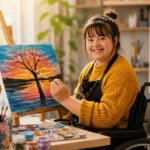
For you, this might mean that those 90 minutes of watercolor painting on a Saturday morning at a local studio can act as a mini-vacation for your brain, helping you decompress after a long week. Mixing colors, layering textures, or experimenting with techniques allows your mind to slow down and reset something few other activities can do as effectively.
Boosting Creativity Through Regular Art Practice
It’s one thing to feel relaxed after a class; it’s another to see your creativity genuinely flourish. Creativity is a skill, not just a talent. And like any skill, it grows with practice. When you regularly participate in art classes, you train your brain to think differently, problem-solve more flexibly, and approach challenges with an open mind.
Take a simple example: you might begin a session unsure of how to depict a landscape. But by experimenting with different techniques, you start combining textures, colors, and perspectives you hadn’t considered before. This playful experimentation doesn’t just make you better at art, it rewires your brain to see new possibilities in other areas of life too.
Experts like Dr. Cathy Malchiodi, a renowned art therapist, explain that creative expression helps develop neural pathways associated with emotional regulation, problem-solving, and innovation. Essentially, every time you step into a studio and pick up a brush, you’re doing mental exercises that benefit both your wellbeing and your creativity.
Art Classes for Adults and Children in Melbourne
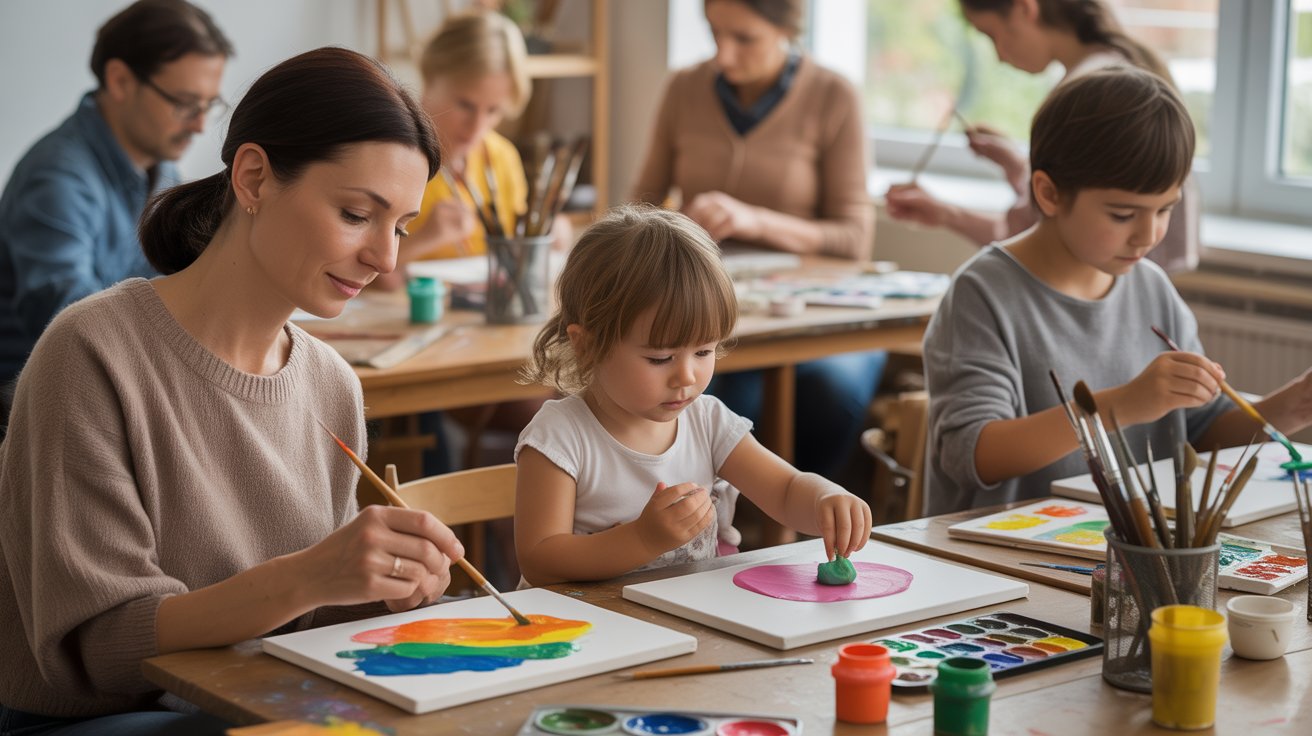
You might assume art therapy and structured classes are only for children or those with formal artistic ambitions. That’s a common misconception. Artreach Collective in Caulfield North, Melbourne, offer art therapy sessions or programs that are inclusive, welcoming, and beneficial for both children and adults.
For children, these classes can improve fine motor skills, enhance concentration, and provide a safe space for emotional expression. Neurodiverse young learners, in particular, benefit from structured yet flexible creative exercises, where the emphasis is on self-discovery rather than perfection.
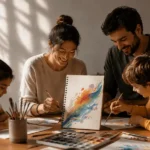
Adults, on the other hand, often find these classes an opportunity to step away from stressors, reconnect with hobbies they abandoned in their youth, or explore creative avenues they never considered. Even busy professionals in nearby suburbs like Malvern East, St Kilda East, Brighton East, and Caulfield South are enrolling in weekend sessions, citing reduced anxiety and improved focus at work as key benefits.
Combining Art Therapy With Mental Health Support
While general art classes are excellent for stress relief, art therapy takes it a step further by combining creativity with professional guidance. Art therapists, like Michal Mainzer—the founder of Artreach Collective use creative activities as a tool for emotional exploration.
For example, you might use a collage to express feelings that are hard to verbalize or create abstract paintings to explore mood patterns. This dual approach of creative expression plus therapeutic insight can be particularly effective for individuals experiencing anxiety, depression, or other mental health challenges. And the beauty of this approach is that it’s non-verbal, making it accessible to anyone, regardless of background or artistic ability.
Practical Ways to Get Started
So how do you begin if you’re interested in reducing stress and boosting creativity through art? Here are a few tips:
- Pick a class that fits your schedule: Even a 60–90 minute weekly session can have measurable effects.
- Focus on the process, not the product: The goal is emotional expression, not perfection.
- Experiment with different mediums: Paint, clay, collage, or digital art find what resonates with you.
- Consider art therapy if needed: Especially if you’re dealing with persistent stress or emotional challenges, a trained art therapist can guide you safely.
- Create a dedicated space at home: Even small doodle sessions or journaling can complement your classes.
By making art a regular part of your life, you not only reduce stress but also build creative confidence that can spill over into professional and personal projects.
Real-Life Examples and Local Insights
In Melbourne, many parents are enrolling their children in weekend art programs in Caulfield North, Brighton East, and Malvern East to help them balance academics with relaxation and self-expression. Adults, too, are signing up for weekend art therapy workshops, citing stress relief and mindfulness as the primary motivation.
Acknowledging the Limits
Of course, I won’t pretend that art classes are a cure-all. While they can significantly reduce stress and boost creativity, they’re part of a broader self-care and mental health approach. You might still need professional counseling, physical activity, or mindfulness practices alongside art. Everyone’s experience is unique, so it’s important to explore and adapt based on what works for you.
Looking Ahead: The Future of Art and Mental Wellness in Melbourne
The future looks promising. With rising awareness around mental health in Melbourne and increasing availability of structured art programs in urban suburbs, more people are likely to embrace creative practices. Technology may also play a role, with online art classes and virtual therapy sessions making access easier for those who cannot commute regularly.
However, the true magic lies in combining professional guidance with personal exploration. Whether you’re dabbling in watercolors at home or attending an art therapy session in Caulfield North, the key is consistency, openness, and willingness to experiment.
The trend isn’t just about making pretty pictures, it’s about transforming the way you approach stress, emotions, and creative problem-solving. And honestly, that’s something we can all use a little more of.
FAQs
1. Do I need to be good at art to benefit from art classes or therapy?
A: No! The focus is on the process, not the final product. Self-expression and creativity matter more than skill.
2. How often should I attend art classes to see stress-reducing benefits?
A: Even one 60–90 minute session per week can make a difference, though consistency helps maximize results.
3. Are these classes suitable for children with special needs in Melbourne?
A: Yes! Programs are designed to be inclusive, and art therapy is particularly helpful for neurodiverse children.
4. Can adults really improve creativity through art classes?
A: Absolutely. Regular practice challenges your brain to think differently, explore new solutions, and develop confidence in creative problem-solving.